Barbican gardeners guide Barbican Centre and Silk Street
If you are looking after planting, planters, and outdoor edges near the Barbican Centre and Silk Street, the job can feel a little different from standard city gardening. Space is tighter, footfall is higher, and the surroundings ask for a neat, disciplined finish. That is exactly why this Barbican gardeners guide Barbican Centre and Silk Street exists: to help you understand what good local garden care looks like, how to plan it properly, and how to avoid the usual headaches before they start.
Truth be told, this part of London rewards the careful gardener. Clean lines matter. Safe access matters. So does choosing plants that can cope with shade, reflected heat, wind tunnels, and the occasional burst of dry weather. In practice, that means thinking beyond "tidy up and water" and into a more strategic, site-aware way of working. This guide walks through the essentials in plain English, with practical steps you can use whether you manage a terrace, a courtyard, a communal strip, or a commercial frontage close to the Barbican Centre and along Silk Street.
You will also find useful decision points, a checklist, a comparison table, and a few human observations from the sort of situations local gardeners deal with all the time. No fluff, no grand claims. Just the stuff that helps.
Table of Contents
- Why Barbican gardeners guide Barbican Centre and Silk Street Matters
- How Barbican gardeners guide Barbican Centre and Silk Street Works
- Key Benefits and Practical Advantages
- Who This Is For and When It Makes Sense
- Step-by-Step Guidance
- Expert Tips for Better Results
- Common Mistakes to Avoid
- Tools, Resources and Recommendations
- Law, Compliance, Standards, or Best Practice
- Options, Methods, or Comparison Table
- Case Study or Real-World Example
- Practical Checklist
- Conclusion
- Frequently Asked Questions
Why Barbican gardeners guide Barbican Centre and Silk Street Matters
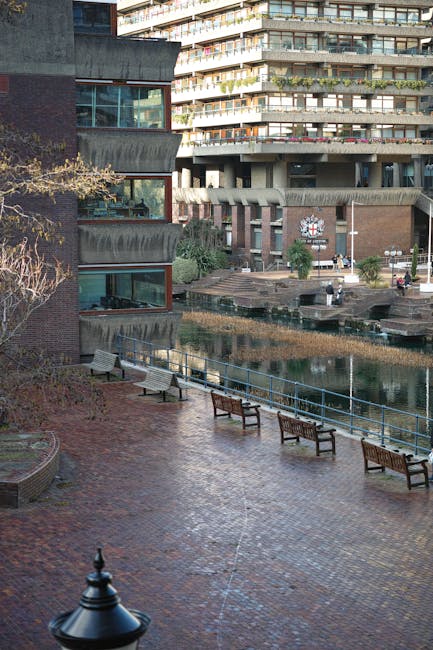
The Barbican is not a generic neighbourhood, and that changes the gardening brief quite a bit. Around the Barbican Centre and Silk Street, planting often sits beside hard landscaping, pedestrian routes, service access points, and architecture that already carries a strong visual identity. In other words, the green space has to work hard. It must look good, but it also has to behave well.
That matters for three simple reasons. First, appearance: in an area with a lot of foot traffic and a distinctive built environment, tired planting or messy edges stand out immediately. Second, usability: paths, entrances, and communal spaces need to stay clear and safe. Third, plant health: city conditions can be rough, with drying winds, limited root space, shade from tall structures, and compacted soil all creating pressure on plants.
A sensible gardening plan near the Barbican Centre and Silk Street is therefore part horticulture, part site management. You are not only choosing plants; you are choosing maintenance rhythms, access methods, and finishes that suit a high-visibility London setting. That is one reason many people prefer a structured service approach rather than treating the area as an ordinary garden.
It also links naturally to wider site care. If you are managing a building, estate, or business frontage, the gardening plan sits alongside scheduling, safety, cleaning access, and even sustainability decisions. For that bigger-picture approach, it can help to review the services overview and the company's background and approach before deciding what level of support you need.
How Barbican gardeners guide Barbican Centre and Silk Street Works
At its best, this kind of gardening is a repeatable process, not a one-off tidy-up. Most successful projects start with a site walk-through, a quick read of the light and drainage conditions, and a realistic look at how the space is used. Then the gardener decides what can be maintained regularly, what needs pruning or replacement, and what should be left alone because it is actually working fine. Simple enough. Not always easy, though.
Near Silk Street and the Barbican Centre, maintenance often needs to be timed around pedestrian movement, deliveries, or event days. The practical side is just as important as the plant choice. A good gardener will think about access for tools, waste removal, quiet working windows, and how to keep disruption low. If you have ever tried to prune or edge a public-facing space while people are passing every minute, you will know why that matters.
Typical work may include trimming shrubs, deadheading, seasonal replanting, weeding, litter removal, light soil improvement, container maintenance, and checking irrigation or watering routines. In some cases, the challenge is less about dramatic renovation and more about consistency. A space that gets regular attention often looks twice as good with half the drama.
Professional presentation also depends on the service structure around the gardening itself. For example, clear booking and payment arrangements help avoid confusion, while transparent service terms reduce friction if a visit needs adjusting. If that sort of clarity matters to you, the pages on pricing and quotes, payment and security, and terms and conditions are worth a look.
Key Benefits and Practical Advantages
The obvious benefit is a smarter-looking outdoor space, but there is more to it than neat borders and a few healthy planters. Done properly, local gardening around the Barbican Centre and Silk Street supports safety, asset value, and day-to-day ease of use. That is especially useful in busy urban settings where small problems become visible fast.
- Better kerb appeal: clean planting lines and well-kept containers create a sharper first impression.
- Reduced trip and obstruction risks: overgrowth, loose debris, and awkward placement can be managed before they become an issue.
- Healthier planting: consistent care helps plants recover from city stress and seasonal swings.
- Less emergency work: routine attention tends to prevent the expensive, messy fixes later.
- More predictable budgeting: a maintenance schedule is usually easier to manage than reactive callouts.
- Better sustainability: thoughtful watering, pruning, and waste handling reduce waste and unnecessary replacement.
There is also a quieter benefit that people sometimes miss: calm. A tidy, well-managed green edge changes how a place feels. You notice it in the morning when the light is low, and the planting looks intentional rather than abandoned. It sounds small, but it really isn't.
If sustainability matters to your team or building, you may also want to see the approach to recycling and sustainability. In practice, responsible green waste handling and careful material use can support a cleaner overall maintenance routine.
Who This Is For and When It Makes Sense
This guide is useful for anyone responsible for outside space near the Barbican Centre or along Silk Street. That could be a building manager, facilities lead, landlord, business owner, resident association member, or anyone trying to keep a shared courtyard under control without turning it into a second job.
It also makes sense if you are weighing up whether to handle the work in-house or outsource it. Some spaces only need a light seasonal tidy. Others need regular, disciplined care because the planting is visible from the street, used by the public, or exposed to frequent wear. In a busy part of London, a "we'll get to it when we can" approach tends to show up pretty quickly. Sometimes by next week. Sometimes by this afternoon.
It is especially relevant if you are seeing any of these signs:
- plants looking tired despite watering
- weeds returning too quickly
- containers drying out or becoming waterlogged
- edges and paths looking untidy between visits
- uncertainty about what can be cut back, replaced, or preserved
- complaints about visibility, access, or general appearance
If you are in that position, the next step is usually to get a clear scope rather than guess. A proper site assessment is far more useful than a vague promise. And yes, it can save a fair bit of stress.
Step-by-Step Guidance
Here is a practical way to approach gardening care around the Barbican Centre and Silk Street without overcomplicating it.
- Start with a site review. Note the light levels, wind exposure, shade from nearby structures, foot traffic, access points, and any problem areas.
- Separate "must fix" from "nice to improve". Safety, obstruction, and plant health issues come first. Cosmetic upgrades can wait a beat.
- Check what the planting is actually doing. Some plants fail because they are wrong for the site, not because they were badly planted. That distinction matters.
- Set a maintenance rhythm. Weekly, fortnightly, or seasonal schedules make decisions easier and keep standards more even.
- Decide on pruning and shaping carefully. In visible urban spaces, the goal is structure, not over-trimming into odd shapes that look forced.
- Manage watering with local conditions in mind. Containers dry out faster than most people expect, especially in sheltered but windy spots.
- Build in waste handling. Plan how green waste, clippings, and replacement material will be collected and removed.
- Review after each visit. A quick follow-up note helps track what is working and what needs attention next time.
A small but useful habit: take a photo before and after each visit. It is not about showmanship. It is about spotting patterns. After a few cycles, you will see which beds dry fastest, which shrubs thicken too quickly, and which spots get hammered by passing foot traffic.
Expert Tips for Better Results
These are the little things that separate decent maintenance from consistently good results.
Choose plants for the site, not for the catalogue
In city locations near the Barbican Centre, plants need to cope with shade, reflection, occasional heat build-up, and constrained root zones. A plant that looks beautiful on paper can become a problem if it is forever stressed. Better to pick species with a proven tolerance for urban conditions and then keep them tidy.
Work with structure
Silk Street is not the place for sloppy edges. Keep the outline of beds, planters, and shrubs crisp. A strong framework helps even modest planting look intentional. To be fair, a lot of "good gardening" in public spaces is really good editing.
Use seasonal thinking
In spring, watch for rapid growth and the temptation to over-prune. In summer, focus on moisture and plant stress. In autumn, clear debris and prep for wetter, darker months. In winter, keep checking structure and safety. The seasons do not care about your schedule, unfortunately.
Do less, but do it properly
Overworking a site can be just as bad as neglect. Heavy cutting, over-digging, or frequent plant swapping often creates more instability than improvement. A quieter, measured approach usually wins.
Keep the human side in view
People use these spaces. Residents, visitors, staff, delivery crews, passers-by. If a gate sticks, a planter blocks a route, or a shrub spills into a narrow path, someone will notice. And they probably won't be delighted. Small adjustments make the biggest difference.
For service planning, it also helps to understand how the provider handles communication and support. If you want a sense of the team behind the work, the contact page is the simplest way to start a conversation about your site, timing, and expectations.
Common Mistakes to Avoid
A lot of garden problems near busy London sites are not dramatic. They are just repeated little errors. Annoying, but fixable.
- Ignoring the site conditions: shade and wind are not minor details; they shape everything.
- Using generic maintenance schedules: some spaces need more frequent visits, especially containers and high-traffic edges.
- Cutting back too hard: harsh pruning can leave a space looking stripped and slow plant recovery.
- Letting weeds seed freely: once that starts, you are chasing the problem instead of controlling it.
- Overwatering containers: wet soil is not always healthy soil.
- Choosing plants for instant effect only: short-term colour is lovely, but resilience matters more over a full year.
- Skipping access planning: if a gardener cannot move safely and efficiently, the work suffers.
One of the more common issues, frankly, is trying to make a planted area do too much. A bed is not a storage ledge. A shrub is not a barrier post. And a planter is not a dumping ground for leaf litter. It happens, though.
Tools, Resources and Recommendations
You do not need a huge toolkit to keep a Barbican-area site in good shape, but the right basics make the job cleaner and safer.
| Tool or resource | Best for | Why it helps |
|---|---|---|
| Hand pruners and loppers | Shrub shaping and deadwood removal | Gives clean cuts and avoids rough tearing |
| Weeding hand tools | Beds, joints, and container edges | Useful in tight access areas where larger tools are awkward |
| Watering cans or controlled hoses | Containers and newly planted areas | Helps avoid runoff and wasted water |
| Protective gloves and sturdy footwear | Everyday maintenance | Improves safety and comfort on varied ground surfaces |
| Simple site notes or visit log | Planning and continuity | Makes recurring issues easier to track |
| Waste sacks and collection plan | Green waste handling | Prevents clippings building up on site |
For service users, the most practical "resource" is often a clear provider structure. A good company should be able to explain scope, scheduling, and expectations without making it feel like a puzzle. That is why pages such as services overview and pricing and quotes are useful when you are comparing options.
Law, Compliance, Standards, or Best Practice
Gardening near active public or semi-public spaces is not just about appearance. There are basic legal and operational duties to think about, especially where work affects access, safety, or shared use. The exact requirements depend on the site and the type of work, so it is sensible to treat this section as practical guidance rather than a legal checklist.
In UK settings, best practice usually includes safe handling of tools, sensible access arrangements, proper disposal of waste, and clear communication with the people responsible for the site. If a garden area is near walkways or entrances, extra care is needed to manage slips, trip hazards, and obstructions. That is just common sense, but it is also the sort of detail that separates a smooth visit from a problematic one.
For contractors and clients alike, it is reassuring to work with a provider that takes duty of care seriously. You may want to review the company's health and safety policy and insurance and safety information before arranging work. If accessibility matters on your site, the accessibility statement can also be helpful context.
There are also the quieter governance pages that matter more than people admit. The privacy policy, cookie policy, and modern slavery statement all speak to how the business is run. Not glamorous, maybe, but useful. And when you are choosing a service provider, that back-office trust often counts for more than a flashy promise.
Options, Methods, or Comparison Table
Different sites near the Barbican Centre and Silk Street need different approaches. Here is a simple comparison to help you judge what fits best.
| Approach | Best for | Strengths | Limitations |
|---|---|---|---|
| Light-touch seasonal maintenance | Small courtyards, lower-use planting, occasional tidy-ups | Lower cost, simple scheduling, minimal disruption | Can miss problems if the site changes quickly |
| Regular ongoing maintenance | Visible frontage, planters, shared spaces, business premises | Consistent appearance, better plant health, fewer surprises | Needs a clear schedule and reliable access |
| Targeted improvement work | Overgrown, tired, or poorly planned spaces | Can reset the site and improve structure fast | May require more initial coordination |
| Full-site review and ongoing management | Complex managed landscapes or high-visibility sites | Best control over presentation and risk | Usually the most involved option |
If you are unsure which method fits, ask a straightforward question: do you need a rescue, a routine, or a proper long-term plan? That usually gets to the point faster than a dozen vague emails.
Case Study or Real-World Example
Imagine a shared frontage near Silk Street with two planting areas and several large containers. At first glance, it looks manageable. But in late spring, one side dries quickly because it gets reflected heat from nearby surfaces, while the other stays damp and shaded. The result? One side gets leggy and stressed; the other gets soft growth and weed pressure. Classic urban-garden contrast.
A good gardener would not treat both sides the same. They would adjust watering frequency, replace one or two unsuitable plants, tidy the edges, and create a maintenance rhythm based on what each area actually needs. A neat, repeated clipping schedule is added, not because someone likes paperwork, but because consistency stops the space sliding back into uneven growth.
After a few visits, the difference is usually obvious. The containers hold their shape. The beds look balanced. Passers-by stop noticing the planting because it no longer looks unfinished or stressed. That is often the quiet win in this part of London: not flashy transformation, just a site that feels controlled and cared for.
And if there is a lesson in that, it is this: the right fix is usually the boring one done well.
Practical Checklist
Use this checklist before booking, refreshing, or reviewing gardening work near the Barbican Centre and Silk Street.
- Have you identified the main site pressures: shade, wind, traffic, drainage, or access?
- Do you know which areas need regular care and which only need seasonal attention?
- Are there any safety issues, blocked routes, or awkward overgrowth to deal with first?
- Do the plants suit the light and exposure conditions on site?
- Is there a realistic watering plan for containers and newly planted areas?
- Has green waste removal been considered in advance?
- Do you have a maintenance schedule that matches how the space is actually used?
- Have you checked service terms, pricing, and payment expectations?
- Do you know who to contact if access, timing, or scope needs to change?
- Are sustainability and safety priorities clear for everyone involved?
Key takeaway: the best results usually come from a simple plan, regular attention, and honest site-specific judgment. Not more noise, just more consistency.
If you are ready to move from planning to action, speak to a local team that understands the area, the access realities, and the standards expected around a place like the Barbican Centre and Silk Street. A quick conversation can save a lot of back-and-forth later on, which is always a relief.
Get a free quote today and see how much you can save.
Conclusion
A strong Barbican gardeners guide Barbican Centre and Silk Street is really a guide to doing things properly in a demanding urban setting. The work is part gardening, part site care, part common sense. You need plants that can cope, maintenance that stays consistent, and a clear eye for safety, access, and presentation.
Whether you are managing a business frontage, a communal space, or a small but important planted area, the goal is the same: keep the site healthy, neat, and easy to use. Once that rhythm is in place, the whole space feels calmer. More settled. Better kept.
And honestly, that is what good local gardening should do. Make the place feel quietly looked after, day after day.
Frequently Asked Questions
What does Barbican gardeners guide Barbican Centre and Silk Street actually mean?
It refers to practical garden care and maintenance advice tailored to the Barbican Centre and Silk Street area, where urban conditions, visibility, and access all shape how the work should be done.
Is gardening near the Barbican Centre different from normal residential gardening?
Yes. The space is usually more exposed, more visible, and more closely linked to pedestrian movement and building access. That means a cleaner finish, tighter planning, and more consistent maintenance.
How often should garden maintenance happen in this area?
It depends on the planting and use of the space. High-visibility planters and frontages often benefit from regular visits, while lower-use areas may only need seasonal attention. The site conditions decide more than the calendar does.
What are the biggest problems in urban garden spaces near Silk Street?
Common issues include shade, wind, compacted soil, dry containers, weed pressure, and plants that were never really suited to the site in the first place. Access and safety can be problems too.
Can I manage the gardening myself, or should I hire help?
If the space is small and low-risk, you may manage it yourself. But if the area is visible, complex, or regularly used by others, professional help often saves time and avoids messy results.
What should I look for in a local gardener?
Look for practical site understanding, clear communication, safe working habits, sensible pricing, and a maintenance approach that fits the space rather than forcing a one-size-fits-all routine.
Are sustainability and recycling important for this kind of work?
They are, especially in busy urban settings where waste handling and material choices can make a real difference. A responsible approach should include sensible green waste management and careful use of resources.
What if the plants keep dying even though they are watered?
That usually points to a site or planting mismatch rather than a simple watering problem. Shade, wind, drainage, root restriction, or poor plant choice may all be involved.
How do I know if a quote is fair?
A fair quote should be clear about the scope of work, how often visits happen, and what is included. If something feels vague, ask for the details in plain language before you agree.
Do I need to worry about health and safety for garden work?
Yes, especially where work happens near entrances, paths, or shared access areas. Safe tool use, tidy working methods, and clear access planning are all part of good practice.
What happens if I am not happy with the service?
It is best to raise the issue promptly and clearly. A provider with a proper complaints process should be able to explain how concerns are handled and what the next step is.
Where should I start if I want help with my site?
Start by reviewing the service options, then make contact with your site details, timing, and priorities. The services overview and contact page are the most practical starting points.