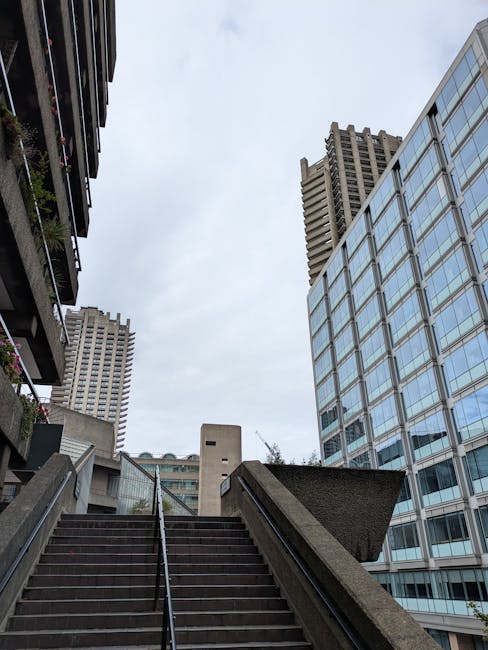
Same day gardeners for Moorgate and Barbican emergencies

If you need same day gardeners for Moorgate and Barbican emergencies, you are usually not planning a lovely weekend refresh. You are dealing with a branch across a path, a garden gate that will not open properly, a sudden mess after high wind, or a frontage that needs making safe before guests, tenants, or customers arrive. In a busy part of central London, that sort of problem can feel oddly urgent very quickly. This guide explains what emergency gardening support actually covers, how fast response visits work, what to expect on the day, and how to choose a service that is calm, practical, and genuinely useful.
Truth be told, emergency garden work is often less about "fancy gardening" and more about risk reduction, access, and keeping a property presentable. That may mean clearing debris, trimming dangerous growth, or restoring order after an unpredictable night. It is not always glamorous, but it is useful. Very useful.
Why Same day gardeners for Moorgate and Barbican emergencies Matters
Emergency gardening matters because outdoor spaces can become a safety issue, a access issue, or simply a fast-moving inconvenience. In Moorgate and Barbican, where properties often sit close to pavements, entrances, courtyards, loading areas, and shared routes, one overgrown hedge or fallen branch can block movement in a way that is not just annoying but awkward for everyone involved.
There is also the reputational side. A business frontage covered in leaves, a residential entrance littered with storm debris, or a communal garden with broken branches does not create a good first impression. People notice. You notice it too, even when you are rushing past with a coffee and trying not to look at the mess.
Urgent garden work typically matters most in these situations:
- Storm damage that leaves branches, broken stems, or scattered debris.
- Blocked paths, entrances, or shared access routes.
- Overgrown hedges or shrubs restricting visibility or movement.
- Collapsed planting, damaged planters, or unstable garden features.
- Sudden clearance needs before inspections, lettings, or events.
For many people, the biggest benefit of same-day support is peace of mind. You do not need to wait days while a hazard sits there. You get a response, a plan, and visible progress. Not every issue needs a full landscaping project. Sometimes you just need the place safe and back under control.
Expert summary: Emergency gardening is about stabilising a space first, then improving it properly. If the immediate risk is removed, the rest becomes much easier to manage.
How Same day gardeners for Moorgate and Barbican emergencies Works
The process is usually simpler than people expect. A same-day garden visit begins with a quick assessment over the phone or by message, then a decision on whether the issue needs urgent attendance, and finally a practical plan for the day. No drama, no fuss. Just clear steps.
In a genuine emergency, the priority is to understand what is unsafe, what is blocking access, and what can realistically be done on the first visit. That first visit may not complete a full garden transformation. It is often about making things tidy, safe, and workable. If further maintenance is needed later, that can be arranged separately.
What the first call usually covers
You should be ready to describe the issue plainly. For example: "A tree branch is hanging low over the path," or "The rear access is blocked by cuttings and broken pots." Short, practical descriptions help the gardener prepare the right tools and decide whether a same-day visit is realistic.
What the garden team may do on arrival
- Inspect the affected area and identify immediate hazards.
- Clear loose debris, branches, or fallen material.
- Trim back obstructive growth where safe to do so.
- Remove or secure unstable items.
- Leave the site in a safer, tidier condition.
Depending on the issue, the work may involve garden clearance, hedge trimming, lawn tidying, or even limited tree lopping and removal where appropriate. For ongoing upkeep after an emergency, many readers find it helpful to review garden maintenance support so the same problem does not creep back in a few weeks later.
One thing people sometimes forget: access matters. If a gardener cannot get equipment near the affected space, the job may take longer or need a different approach. In central London, that is pretty normal. Tight entrances, shared courtyards, basement gardens, and resident-only access can all shape the visit.
Key Benefits and Practical Advantages
Same-day gardening support offers more than speed. Speed is the headline, sure, but the real value is what that speed prevents. A quick response can stop a minor mess from becoming a bigger expense or a more serious hazard.
- Faster hazard reduction: Broken branches, slippery cuttings, and blocked paths can be dealt with quickly.
- Less disruption: You avoid prolonged inconvenience for residents, visitors, or staff.
- Better presentation: A tidy entrance or courtyard improves how the property feels immediately.
- Practical triage: Urgent issues are sorted first, with deeper work scheduled later if needed.
- Local convenience: In central London, prompt arrival can make a huge difference when access windows are short.
There is also a confidence benefit. When a gardener turns up prepared, explains what they can do, and gets on with it, you can relax a bit. That calm matters. A lot, actually.
If the emergency is connected to a larger outdoor improvement, you may want to explore wider services such as landscaping or landscape gardening once the immediate issue is settled. Same-day work and longer-term improvement are different jobs, but they often belong to the same conversation.
Who This Is For and When It Makes Sense
This kind of service is not only for people with large gardens. In fact, many urgent calls come from properties with compact outdoor areas, communal courtyards, basement gardens, roof terraces, and business-front greenspaces that need swift attention.
It makes sense if you are:
- A homeowner dealing with storm damage or sudden overgrowth.
- A landlord needing an outside area made presentable between tenancies.
- A letting agent or property manager handling a last-minute issue.
- A business owner who needs an entrance, courtyard, or outdoor seating area cleaned up fast.
- A resident who has noticed a genuine safety concern and wants it addressed without delay.
It is especially useful when the issue is visible from the street. Let's face it, nobody wants to spend the day worrying that a leaning branch is about to make an embarrassing entrance. Nor do you want staff or visitors having to sidestep a pile of clippings in the rain.
It may be less urgent if the problem is purely cosmetic and not blocking anything. In that case, a planned visit may be better value. A good provider should be honest about that, even if it means saying, "You do not need an emergency callout for this one." That honesty is a good sign.
Step-by-Step Guidance
If you are arranging an urgent garden visit, a simple process helps keep things moving. Here is a practical way to handle it.
- Identify the actual problem. Is it debris, a fallen branch, overgrown planting, a blocked gate, or something unstable?
- Check for immediate risk. If anything looks dangerous, keep people clear of the area until help arrives.
- Take a quick photo. This can help explain the issue accurately and avoid wasted time.
- Describe access clearly. Mention gates, shared entrances, parking restrictions, or any time limits.
- Ask what can be done same day. Some jobs need only containment or clearance first.
- Request a practical plan. A useful service should explain the work, the likely order, and any follow-up needed.
- Confirm waste handling. Ask whether the team will remove garden waste, cuttings, and broken material.
That is the core of it. Nothing fancy. Just a sensible sequence that avoids confusion on the day.
If the problem is mostly heavy build-up rather than a single incident, you may benefit from garden clearance. If the issue is a hedge collapsing into a path or becoming unmanageable, then hedge trimming may be the more suitable fix. Matching the job to the problem saves everyone time.
Expert Tips for Better Results
Over the years, one thing becomes clear: the best emergency jobs are the ones where the client gives useful information early. Not a full essay, just enough detail to let the team arrive prepared.
Here are a few practical tips that make a difference:
- Be specific about the hazard. "A branch is hanging low over the footpath" is more helpful than "the garden is a bit messy."
- Keep access clear if you can do so safely. A locked side gate or a parked car in the wrong spot can slow things down.
- Separate urgent from non-urgent tasks. If there is a safety issue, deal with that first. The rest can wait a day or two.
- Ask for straightforward communication. Good providers should explain the job in plain English.
- Think ahead to follow-up care. Emergency clean-up without a maintenance plan often leads to repeat stress. Annoying, but true.
A small but useful detail: if a garden has become messy after wind or rain, the ground may be slippery and tools may need to be used more carefully. That can affect speed. It is not a problem, just something to factor in. A sensible gardener will adjust rather than rush.
For properties with features like steps, timber structures, or seating areas, it can also help to think beyond the immediate mess. Services such as decking services may be relevant later if the emergency exposed rot, movement, or wear around a garden platform or access area.
Common Mistakes to Avoid
People often make the situation harder than it needs to be. Usually with good intentions, to be fair. Here are the common traps.
- Waiting too long: Small hazards can become bigger ones after rain, wind, or foot traffic.
- Choosing only on speed: Fast is good, but competence and safety matter more.
- Underexplaining the issue: A vague description can lead to the wrong tools or the wrong time slot.
- Assuming all garden work is the same: A clearance job is not the same as pruning, and pruning is not the same as tree removal.
- Skipping follow-up maintenance: If the site is already overgrown, it may need a scheduled plan after the emergency visit.
Another common mistake is asking for a quick cut without thinking about waste. Cut branches, leaves, and debris do not disappear on their own. Well, not unless you wait for a very determined fox, which is not really the plan. Ask what will be removed and what will stay on site.
Also, do not forget the practical side of payment, timing, and confirmation. If a provider offers a quote or booking process, understanding how that works upfront reduces stress. The details matter more than people think.
Tools, Resources and Recommendations
A same-day gardener will usually arrive with a mix of cutting, clearing, and tidying tools suited to the job. The exact kit depends on the issue, but for emergency work the focus is usually on efficiency and control rather than elaborate design work.
| Type of problem | Likely response | Useful follow-up |
|---|---|---|
| Fallen branches and debris | Clear, cut down, and remove loose material | Tree assessment or ongoing maintenance |
| Blocked path or access point | Make safe and restore passage | Review layout or overgrowth control |
| Out-of-control hedge growth | Trim back to a manageable line | Regular hedge maintenance |
| General storm mess | Garden clearance and tidy-up | Scheduled garden maintenance |
| Unsafe tree limbs | Assess and reduce risk where appropriate | tree lopping and removal |
In many cases, the best recommendation is simple: choose the least disruptive fix that makes the area safe. That can save money and reduce unnecessary work. It is a very British kind of efficiency, really.
If you want a broader sense of available support, it can be useful to review the full services overview and then narrow down what matters most right now. For longer-term value, some readers also look at the company's pricing and quotes information before booking.
Law, Compliance, Standards, or Best Practice
Emergency garden work in London is not usually about complicated legal procedure, but there are still sensible standards to follow. The main ones are safety, care, and proper disposal of waste. If branches, unstable features, or sharp debris are involved, the work should be handled with caution and proper protective equipment.
For property managers and landlords, the best approach is to treat outdoor hazards seriously and document what has been done. That can include photos before and after, a brief note of the issue, and any follow-up work recommended. It is a simple habit, but it helps.
Good practice also includes:
- Keeping walkways and entrances clear where possible.
- Using appropriate tools for the size of the job.
- Handling waste responsibly.
- Avoiding unnecessary disturbance to neighbours or shared areas.
- Being honest about what can and cannot be safely done on the day.
It is also worth choosing a provider with clear policies on safety and business practice. Pages such as insurance and safety, health and safety policy, and recycling and sustainability can give a better feel for how a company operates behind the scenes. That background matters, even if it is not the most exciting part of the process.
One more thing: if you are dealing with a tree-related hazard, do not improvise. A wobbly ladder and wishful thinking is not a strategy. Better to leave that to someone with the right equipment and judgement.
Options, Methods, or Comparison Table
Not every urgent garden issue needs the same response. Here is a straightforward comparison to help you think about the right route.
| Approach | Best for | Strengths | Limitations |
|---|---|---|---|
| Same-day emergency visit | Hazards, access issues, storm debris, urgent presentation problems | Fast, practical, reduces immediate risk | May not finish all non-urgent work |
| Scheduled garden maintenance | Regular upkeep and prevention | More cost-efficient over time, keeps growth under control | Not suitable for urgent situations |
| Garden clearance | Heavy build-up, clutter, and general mess | Restores order quickly | May not solve structural or plant-health problems |
| Tree lopping and removal | Unsafe or obstructive tree growth | Addresses serious hazards | Usually more complex than basic garden work |
If you are unsure which route fits, ask the gardener to explain the likely option before they arrive. A good professional will not force the biggest job if a smaller one will do.
Case Study or Real-World Example
Here is a realistic example, without pretending it is a dramatic movie scene. On a wet morning after a windy night, a small courtyard in Barbican had a cluster of broken branches, scattered leaves, and one damaged planter that had tipped across the path. Nothing headline-grabbing. But enough to make the entrance messy and slightly risky.
The priority was simple: clear the route, remove the unstable debris, and make the area presentable before lunchtime. The work started with a quick assessment, then the loose material was gathered, heavier branches were cut into manageable pieces, and the planter was removed from the path. The whole space looked less fraught straight away. Not perfect, just calmer. And calmer is often the win in emergencies.
What helped most in that job was not fancy equipment. It was clear communication, good access information, and a realistic expectation that the first visit was about making the site safe, not redesigning it. The client then booked follow-up garden maintenance so the same corner would not become a repeat problem.
That is the pattern you see a lot. Tidy first, improve later. Sensible, really.
Practical Checklist
Use this checklist if you are arranging urgent garden help in Moorgate or Barbican:
- Identify the exact problem and whether anyone is at risk.
- Keep people away from unstable branches, sharp debris, or blocked areas.
- Take a clear photo if possible.
- Note access details, gates, parking, and time restrictions.
- Ask what can be handled the same day.
- Confirm whether waste will be removed.
- Ask if follow-up work is recommended.
- Check the provider's safety and business information.
- Keep contact details handy in case access changes on the day.
- After the visit, think about maintenance to prevent a repeat.
Useful reminder: if the job seems bigger than a quick tidy, that is not a bad sign. It simply means the issue has been spotted early enough to plan properly.
Conclusion
Same day gardeners for Moorgate and Barbican emergencies are there for the moments when waiting is not a great option. Whether the problem is debris, damaged planting, blocked access, or a worrying branch, the real value is rapid, practical action that restores safety and order without unnecessary fuss.
The best emergency support is calm, clear, and honest about what can be done immediately and what should wait. That gives you a safer space now and a better plan for later. And that is often the whole game.
If you are comparing options, start with the urgent issue, then think about follow-up care, waste handling, and how the space can be kept under control after the initial visit. A little planning now saves a lot of hassle later.
Get a free quote today and see how much you can save.
When the garden has been sorted and the path is clear again, there is a small but real relief in the air. You can feel it, even on a grey London afternoon.
Frequently Asked Questions
What counts as a garden emergency in Moorgate or Barbican?
A garden emergency is usually something that creates a safety issue, access problem, or urgent presentation problem. Fallen branches, blocked entrances, storm debris, and unstable growth are common examples.
Can a same-day gardener really arrive quickly in central London?
Often, yes, if the job is straightforward and access is clear. Response times depend on workload, location, and the type of issue, so it is always best to explain the problem early and plainly.
Do emergency gardeners only do clearance work?
No. They may also handle hedge trimming, basic pruning, lawn tidying, and limited tree-related work where safe and appropriate. The exact scope depends on the situation.
What should I do before the gardener arrives?
Keep people away from the hazard, take a photo if possible, and make access as clear as you safely can. It also helps to mention any gates, codes, parking limits, or time restrictions.
Is same-day gardening more expensive than a booked visit?
It can be, because urgent attendance is usually prioritised ahead of routine work. That said, a quicker visit may prevent further damage or disruption, which is part of the value.
How do I know whether I need garden clearance or maintenance?
If the space has sudden debris, clutter, or a messy build-up, garden clearance is usually the better fit. If the main issue is ongoing growth control or regular upkeep, garden maintenance is the better choice.
What if the problem is a tree branch near the path?
That should be treated carefully, especially if it looks unstable or is touching a building, fence, or route. A gardener may assess whether it needs tree lopping and removal or a more limited intervention.
Will the team remove the garden waste?
That should be confirmed in advance. Many customers expect waste removal as part of the service, but it is always sensible to ask so there are no surprises on the day.
Can same-day gardening help with business premises too?
Yes. It is often especially useful for shopfronts, offices, courtyards, and shared spaces where presentation and access matter. A tidy outside area can make a big difference before visitors arrive.
Should I book follow-up maintenance after an emergency visit?
Usually, yes, if the issue came from overgrowth or neglect rather than a one-off event. A short maintenance plan can help stop the same problem returning after the next windy week or wet spell.
What if I am not sure which service I need?
That is normal. Describe the problem as clearly as you can, and ask the provider which service fits best. A good team should be able to explain whether the job is more suited to clearance, maintenance, trimming, or a larger landscaping solution.
Where can I learn more about the company before booking?
It helps to review the company's about information, safety details, and service pages so you understand how they work. That way, you are not booking in blind, which is never ideal when time is tight.
If you are dealing with an urgent outdoor problem right now, take a breath, get the facts straight, and deal with the immediate risk first. The rest can be handled, step by step, without making a mountain out of a branch.